

· AFX Research
A Marital Home With an Accessory Dwelling Unit in a Divorce
A second unit brings income, a tenant, and a permit history somebody has to verify. What the land record shows about it, and what it cannot establish at all.
Table of Contents
The house has a converted garage out back with a kitchen, a bathroom and a tenant who has been there four years paying $1,400 a month. In the property settlement that unit is three separate things at once — an income stream, an occupant with rights of their own, and a structure whose legality nobody in the room has actually confirmed. Each of those is treated differently, and only one of them is reliably visible in the county record.
What a second unit adds
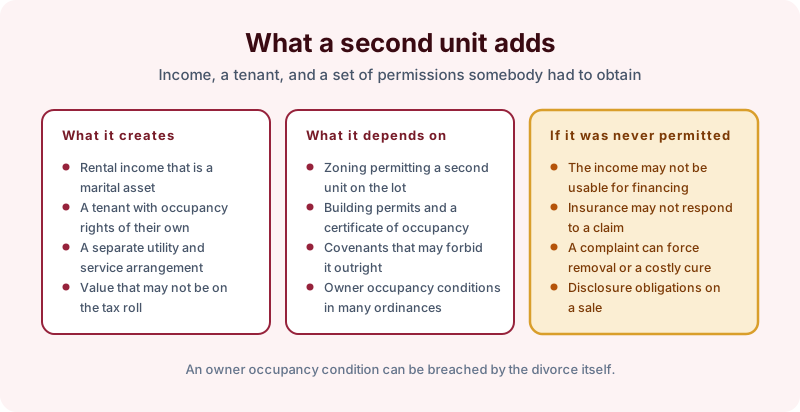
The income is a marital asset and usually an undisputed one. The tenant is not an asset at all — they hold occupancy rights under a lease or under state landlord law, and those rights do not end because the owners are separating. The structure carries value that frequently does not appear on the tax roll, particularly where the conversion was never reported.
What all of it depends on is a stack of permissions. Zoning that allows a second unit on the lot. Building permits and a certificate of occupancy for the conversion. Covenants that may forbid it regardless of what the zoning says. And in a great many jurisdictions, an owner occupancy condition requiring the owner to live in one of the two units.
That last one is the trap specific to divorce. A condition satisfied while both spouses lived in the main house can be breached the moment one moves out and the other follows, which converts a lawful rental into a violation without anybody doing anything wrong.
What the record shows
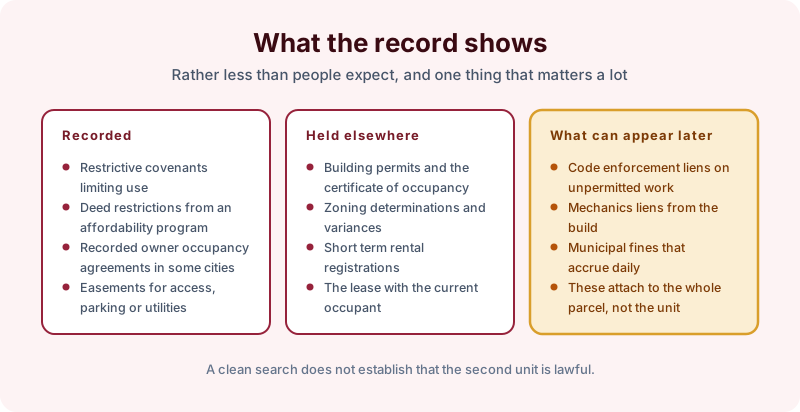
Recorded material is real but limited. Restrictive covenants that constrain use. Deed restrictions where the unit came through an affordability program. Recorded owner occupancy agreements, which a number of cities now require. Easements for access, parking or utilities serving the second unit.
Everything operational sits elsewhere. Permits and the certificate of occupancy are with the building department. Zoning determinations and variances are with the planning office. Short term rental registrations have their own registry. The lease is between the parties and is almost never recorded, which is the same gap described in unrecorded deeds and side agreements.
What can appear in the record later is the part worth watching. Code enforcement liens on unpermitted work, mechanics liens from the original build, and municipal fines that accrue daily all attach to the whole parcel rather than to the unit — the same behavior set out in mechanics liens on the marital home.
Valuing something that may not be lawful
An unpermitted unit is not worthless, and it is also not worth what a permitted one is worth. Lenders will usually decline to count the income. Insurers may decline a claim arising from the unpermitted space. A complaint from a neighbor can force removal or an expensive retroactive permit. And on a sale, disclosure obligations attach.
A records search does not establish any of that. It reports what has been recorded and indexed in the county over the term searched, and it is never a complete inventory of a property’s regulatory status. An empty result does not prove the unit is lawful; it proves nothing was filed about it.
Scoping the search
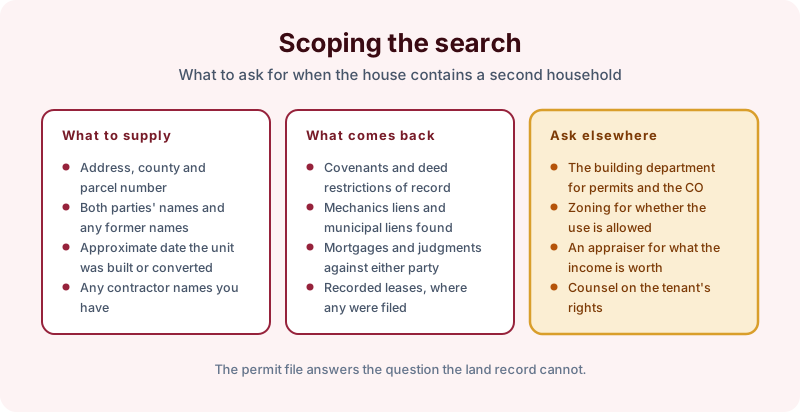
Supply the address, county and parcel number, both parties’ names with any former names, roughly when the unit was built or converted, and any contractor names you have. What comes back is the covenants and deed restrictions of record, mechanics and municipal liens found, mortgages and judgments against either party, and any recorded lease. Our process page sets out how that work is done.
Then ask the building department for the permits and the certificate of occupancy in the same week. That file answers the question the land record cannot.
The takeaway
A second unit turns one property into an income stream, a tenancy and a permitting question, and a divorce can breach an owner occupancy condition by itself. Search the record for what is recorded against the parcel, and pull the permit file for whether the unit should be there at all. Start the order online, or send us the address and the approximate build date and we will tell you what a search of that scope would and would not cover before anything is ordered.