

· AFX Research
Quitclaim Deeds in a Divorce: What the Deed Does Not Change
Why signing over a spouse's interest leaves the mortgage, the recorded liens, and the chain of title in place, and what a title report shows once the deed has recorded.
Table of Contents
A quitclaim is the instrument that most often ends a property settlement, and the one most often misread. It does one thing cleanly and nothing else at all. If you are still working out what real estate is in the estate, this is the document waiting at the other end of that process — and it helps to know in advance what it will and will not do.
The deed and the loan are separate instruments
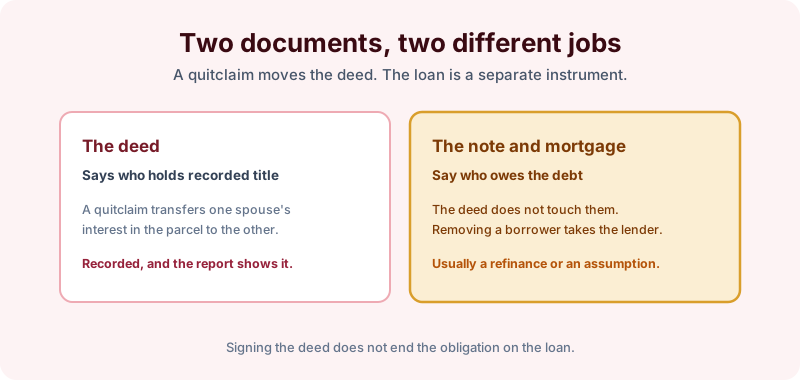
The deed answers one question: who holds recorded title. A quitclaim transfers whatever interest the signing spouse has in the parcel, without warranting that the interest is good, that it is unencumbered, or in fact anything at all. That is the entire job.
The note and the mortgage or deed of trust answer a different question: who owes the money. They are separate instruments with a separate party, the lender, who was not at the settlement conference and is not bound by it. Signing a deed does not remove a borrower from a loan. That generally takes a refinance, or an assumption where the loan permits one. Until something like that happens, both names stay on the obligation regardless of whose name is on the deed.
Which instrument gets used varies by state. Some jurisdictions favor an interspousal transfer deed or a grant deed over a quitclaim, sometimes for tax-reassessment reasons, and the choice belongs to counsel.
What stays attached to the property
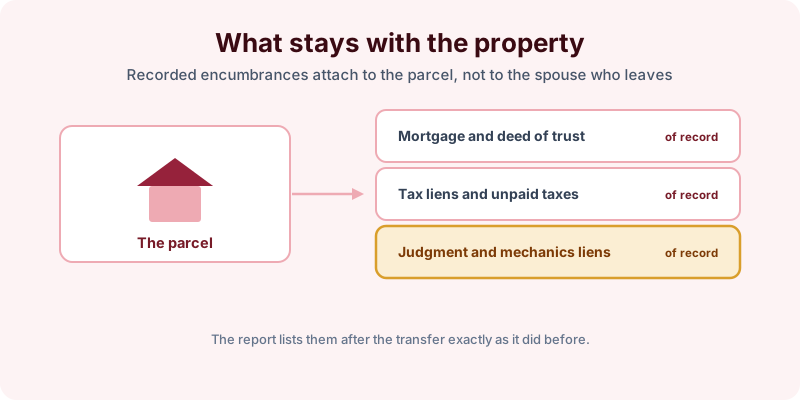
Recorded encumbrances attach to the parcel. The mortgage, unpaid taxes and tax liens, judgment liens, mechanics liens: whatever was of record against the property before the transfer is of record against it afterward. The spouse who signed the deed walked away from an ownership interest, not from anything filed against the land.
That is the argument for searching before the deed is drafted rather than after. A lien found of record ahead of time is a number in the settlement. The same lien found later is a problem belonging to whoever kept the house.
Older liens deserve a second look as well. A lien that has been paid does not leave the record on its own, it leaves when a release or satisfaction is recorded. If nobody followed up at the time, a satisfied obligation can still sit on a report years later, and clearing it means locating the release or having a new one recorded.
What the title report shows afterward
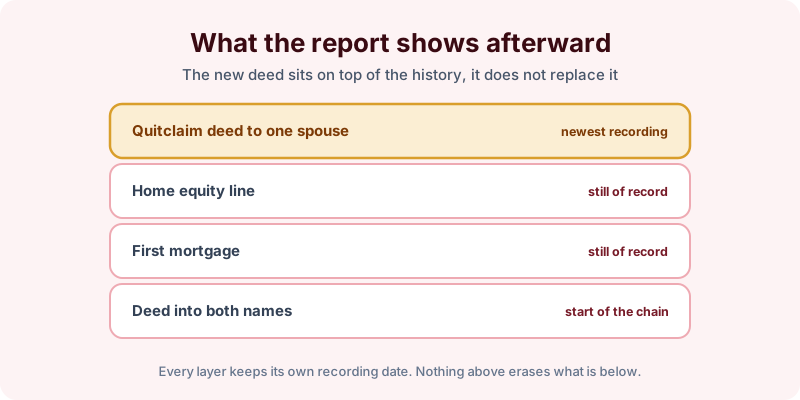
Order a report after the deed records and the quitclaim appears on top of everything that came before, not in place of it. A chain of title is cumulative. The original deed into both names, the first mortgage, a home equity line taken out along the way, and the new transfer all sit in the same chain, each with its own recording date.
That is usually the point of ordering one at this stage: confirming the deed recorded, that it recorded against the right parcel, and that the legal description matches the deed it came from. A chain of title report is the product that shows all of it in sequence, with the instruments attached.
Legal descriptions are where this goes wrong quietly. A deed carrying a description copied from the wrong prior instrument records without complaint, and the defect surfaces at the next sale rather than at the settlement, which is the worst possible time to find it.
Why the order of operations matters
Search, then draft, then record, then confirm. Reversing any two of those steps is how a settlement acquires a surprise. Recording requirements are local — signature and notarial form, transfer-tax declarations, and what the recorder will reject differ by jurisdiction — so a deed that is fine in one county can be bounced in another. Our process page covers the turnaround side of that sequence.
The takeaway
The deed moves title. It does not move debt, it does not clear liens, and it does not shorten the chain. A search before the transfer tells you what you are dividing; a search after tells you the transfer landed the way it was drafted. Start the order online, or tell us where the property sits and we will confirm the right scope before anything is ordered.